
When considering bringing a new companion into our lives, many of us seek the classic “beginner” pet. We’re often pointed towards small mammals like rabbits and hamsters; birds, such as parakeets; or even certain reptiles, with the promise of low maintenance and simple care. The reality, however, is often far more complex. The perceived ease of these animals can lead to unexpected challenges and, sadly, inadequate care for creatures with complex needs that are frequently misunderstood.
Rabbits are often depicted as the perfect first pet—quiet, fluffy, and seemingly content with a small outdoor hutch. The truth? Rabbits are social, intelligent, and sensitive animals. They require a constant supply of hay to maintain a healthy digestive system, as a lack of proper fiber can quickly become a medical emergency. They also need ample room to exercise daily, not just a small cage. Free-roaming indoors, often with careful “bunny-proofing” of wires and furniture, is essential for their well-being. Furthermore, rabbits are happiest living in bonded pairs, and a lone rabbit often suffers from loneliness and requires significant human interaction to thrive. They can live for 8 to 12 years (or more) and require specialized “exotic” veterinarians, which can be expensive and difficult to find.
A child’s first pet is frequently a hamster, often chosen for their small size and the assumption that a small cage is all they need. Hamsters are primarily nocturnal or crepuscular (active at dawn and dusk). This means they are often sound asleep during the day when children want to play and become active (and noisy) at night. They are energetic creatures who, in the wild, run miles every night. A tiny pet shop cage is inadequate; they require large enclosures and appropriately sized wheels to satisfy their instinct to run. While some tolerate handling, many hamsters are skittish and can bite when startled. Their small, fast bodies can be easily injured if dropped, making them less appropriate for young children than commonly believed.
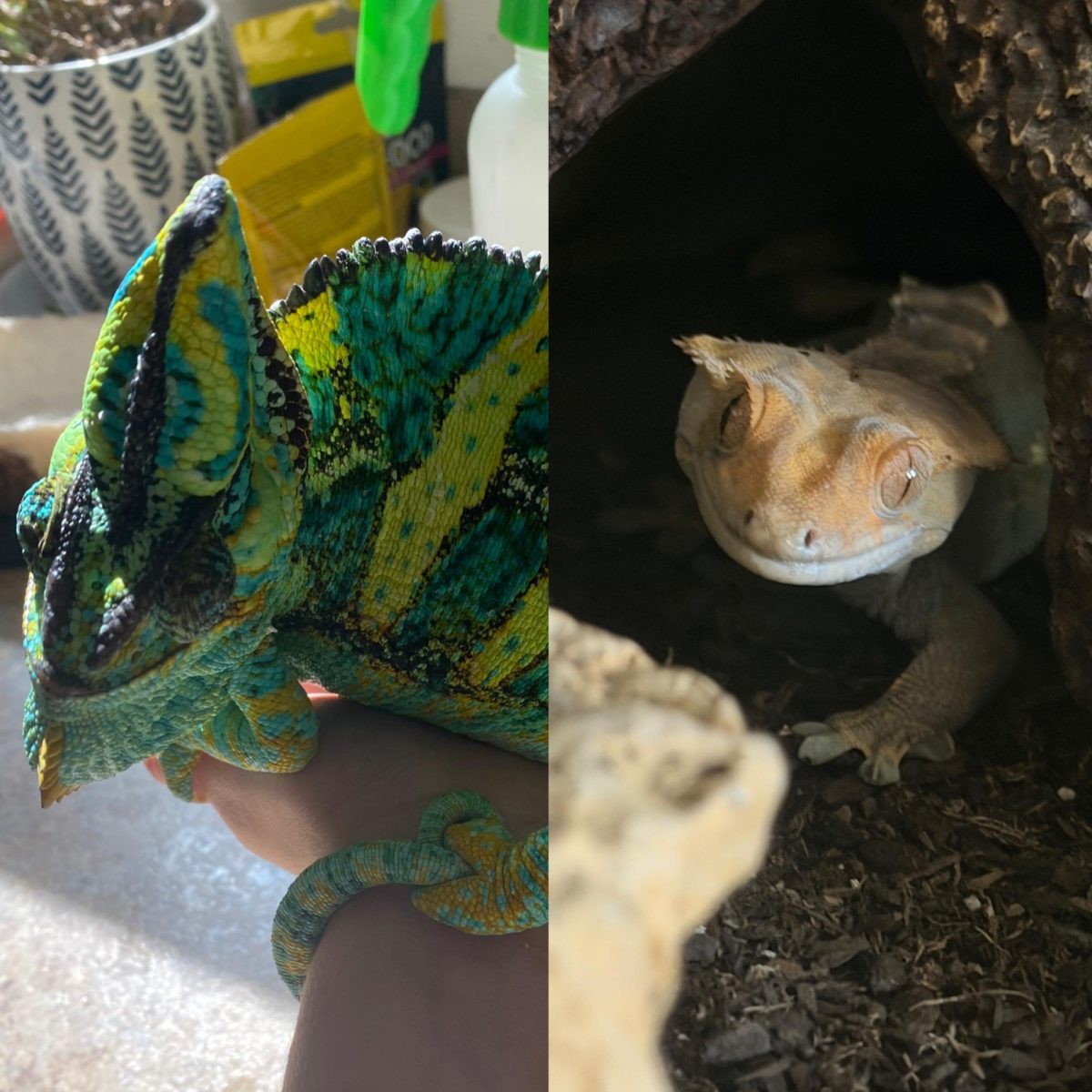
Many people assume reptiles are easy because they don’t need cuddling or daily walks. However, their care is highly technical and unforgiving. Species like bearded dragons or geckos need specific temperature gradients, UV lighting (UVB) for vitamin D synthesis, and controlled humidity levels. Incorrect parameters can lead to metabolic bone disease and other serious health issues. The initial setup for a suitable vivarium, lighting, and heating elements is expensive, and bulbs need regular replacement to remain effective. Many require varied diets of live insects or specific fresh produce, which adds a layer of complexity not present with a simple bag of kibble.
The common theme among these pets is that their needs are specific and non-negotiable for a healthy, happy life. The “easier” narrative often stems from the fact that they can survive in suboptimal conditions for a time, not that they thrive.
Before committing to any pet, it’s crucial to research their exact needs from reputable sources. Websites from welfare organizations like the RSPCA or the ASPCA offer comprehensive care guides that paint a realistic picture of the commitment required.
Every animal deserves the best care we can provide. By understanding that there is no truly “low-maintenance” pet, we can ensure we are ready for the rewarding—but challenging—journey of pet ownership.
Marli DeCosta, the writer of this article and a sophomore at Waterford High School, is a proud owner of four reptiles. She is open about her experiences with them, as she highly discourages anyone gets one without doing the proper deep dive into caring for them. She has also owned many in the past, slowly learning from experience all the mistakes she made in her journey. DeCosta loves talking about her reptiles with everyone she meets which makes this desire to own one in people. She warns them of how expensive it is for her to care for them, as her chameleon, Tony, has a massive enclosure that costed her almost $1,000 to build from scratch. She is very passionate about reptiles and considers herself an expert in the field because of her ever growing experiences with them.