

As I write this article, it’s the end of February and Connecticut is under two and a half feet of snow. The roads are icy, there’s slush everywhere and on every street corner snow piles up eight feet high. The plow trucks are stuck on backroads and there’s a risk of frostbite on the walk into school, but believe it or not, spring is almost on it’s way, and by the time this article is published, the snow will have melted and the weather will finally be over 30 degrees. (Hopefully).
If you’re anything like myself and a handful of my friends, you’re looking forward to warm weather, fresh air and to just be outside after such a long winter. So as spring arrives, it’s the perfect time to plan a visit to a national park.
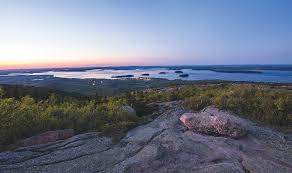
Out of the 63 national parks in the U.S. the closest to CT is Acadia in Maine. This park spans over 49,000 acres across the Schoodic Peninsula, Mount Desert Island, and more surrounding islands. There are 158 miles of hiking trails and 45 miles of car-free bike trails. Acadia is home to 26 mountains including the Cadillac Mountain which is the highest point on the U.S. Atlantic coast. Standing at 1,530 feet, if you camp out on Cadillac Mountain you can be a part of the first few people in the U.S. to see the sunrise. Acadia is great if you’re looking for something close with a change of scenery. Hiking will be similar to what you can find in CT but with better views, more trails, and more wildlife.
If you’re looking to travel for different views and experiences there are a number of national parks across the country. Zion National Park in Utah is drastically different from anything in New England. Known for it’s sandstone cliffs, narrow canyons and picturesque views, Zion is a beautiful nation park experience. If you’re looking for a view without hours of walking, parts of Zion are open to vehicles. One of the most popular spots in the country: Angels Landing lives up to it’s name with a challenging, but rewarding, hike. Through narrows, along cliff sides, and steep switchbacks this 5.4 mile long trail leads hikers to breathtaking views from the summit and panoramic views of Zion Canyon.
Yellowstone National Park is home to the largest hot spring in the US and is most definitely a bucket list location with it’s vibrant colors and diverse wildlife. Located in the northwest corner of Wyoming and extending into both Idaho and Montana, Yellowstone spreads across 3,472 miles of land. A visit to Yellowstone is only complete if the world famous geyser, “Old Faithful” is seen. Home to bison, elk, and a number of different species of bears, the wildlife is drastically different than here in New England. Yellowstone has its own “grand canyon” that spans 20 miles long reaching depths of 1,200 feet
Yosemite National Park in California offers rich history, geological diversity, and stunning waterfalls. Yosemite has remarkable biological diversity making it home to various species of plants and animals. Offering picturesque views of mountain peaks, full and dense forests of sequoia trees, and incredible views during sunset, Yosemite is full of beauty. Hikes span from beginner to expert and have a wide variety of both easy and technical elements.
Sequoia national park is located in Tulare County, California. Far from L.A. stands this dense forest with over 400,000 acres of towering trees. Spanning between four and six feet wide while averaging 250 and 300 feet tall, the tallest being 314 feet high. Sequoia was the first ever national park created to protect from logging back in 1890. The park is open to the public 24 hours a day and year round so you can go anytime! Sequoia is home to over 275 known caves and diverse wildlife including over 200 bird species.
It’s important to remember how lucky we are to have national parks and even more so, to have access to them. These parks need to be protected and taken care of. Unfortunately under the current administration, national parks have been impacted immensely, and not in a good way. National parks are at major risk, and while this might not seem like a real issue, losing our national parks will have more of an impact than most people think.
In May of 2025, the Trump administration began to cut $26 million dollars in National Park Service grants. This targets water quality, tribal programs, and archeological sites. This administration has goals to continue cutting staff, increase fees, remove diversity exhibits, prioritize oil and mining, and restrict educational content on things like climate change and global warming.
Millions of people have already suffered due to staff cuts. Millions of species will die and even go extinct due to major habitat loss. Millions of acres of land will lose their protections and be subjected to drilling, mining, and oil production. Millions of dollars will go to gold ballrooms and golf trips when it should be going to protected lands.
Already, there are plans in action for Alaska’s Brooks Range to be torn apart in order to create roads to further aid this plan to “drill, baby, drill”. National parks are not goldmines or something to profit off of, they offer so much more to us than just the possibility to make money. National parks protect critical habitats for thousands of endangered species. They maintain ecological balance, ensure clean water, maintain healthy air quality, provide living laboratories for scientists to study, they protect significant historical sites and so much more.
To help save our national parks, you can donate to organizations such as the National Park Foundation, sign petitions made by organizations like The Nature Conservancy and Change.org and practice “Leave No Trace” principles while visiting national parks.
