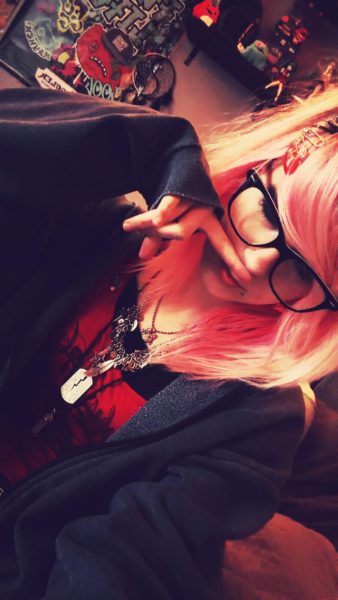
Fashion is used as a way for people to express themselves and their personalities, with many genres to explore. Lots of fashion styles follow trends, whether they be from certain decades or fads on the internet.
Almost every alternative fashion is based on music, like goth and emo, for example. Nobody has to look the part, as long as they listen to the music genre. Lots of people build their wardrobe through DIY and thrifting since it’s the most accessible option, and costs not a lot of money. Lots of high-quality alternative fashion brands are expensive or not affordable to most people; this has always been an issue in the community.
Fast fashion companies like SHEIN and Zara make exact copies of expensive clothing, except using low-quality fabrics that tear easily. Many people have fallen victim to these companies after seeing the low prices.
Many people share their personal experiences online through community pages and blogs, but a lot of them have similar experiences. They all have been held back by the “societal norm” or social standard.
At WHS, a lot of people refrain from dressing how they want due to these societal norms. They hold back out of the fear of being shut out for being different. These norms encourage everyone to be the same; anybody who is out of that norm is shamed into it.
Most societal norms will start from social media trends, such as the rising fame of Owala bottles and Lululemon. These trends spread like wildfire; suddenly, everyone will be talking about them, but they eventually die off once the next trend starts. Societal norms can cause people to act, look, talk, and think a certain way that they believe is right or normal. Some societal norms are very beneficial, though, such as the normalization of using manners such as saying “please” and “thank you.”
Even with its benefits, it holds people back from learning the importance of self-expression. Sustainability Directory, a general informational resource, states, “By challenging conventional ideas about gender, sexuality, and identity, fashion can help to broaden perspectives and promote greater inclusivity. The punk movement, for instance, used deliberately shocking and unconventional clothing to express rebellion against societal norms and political establishments.”
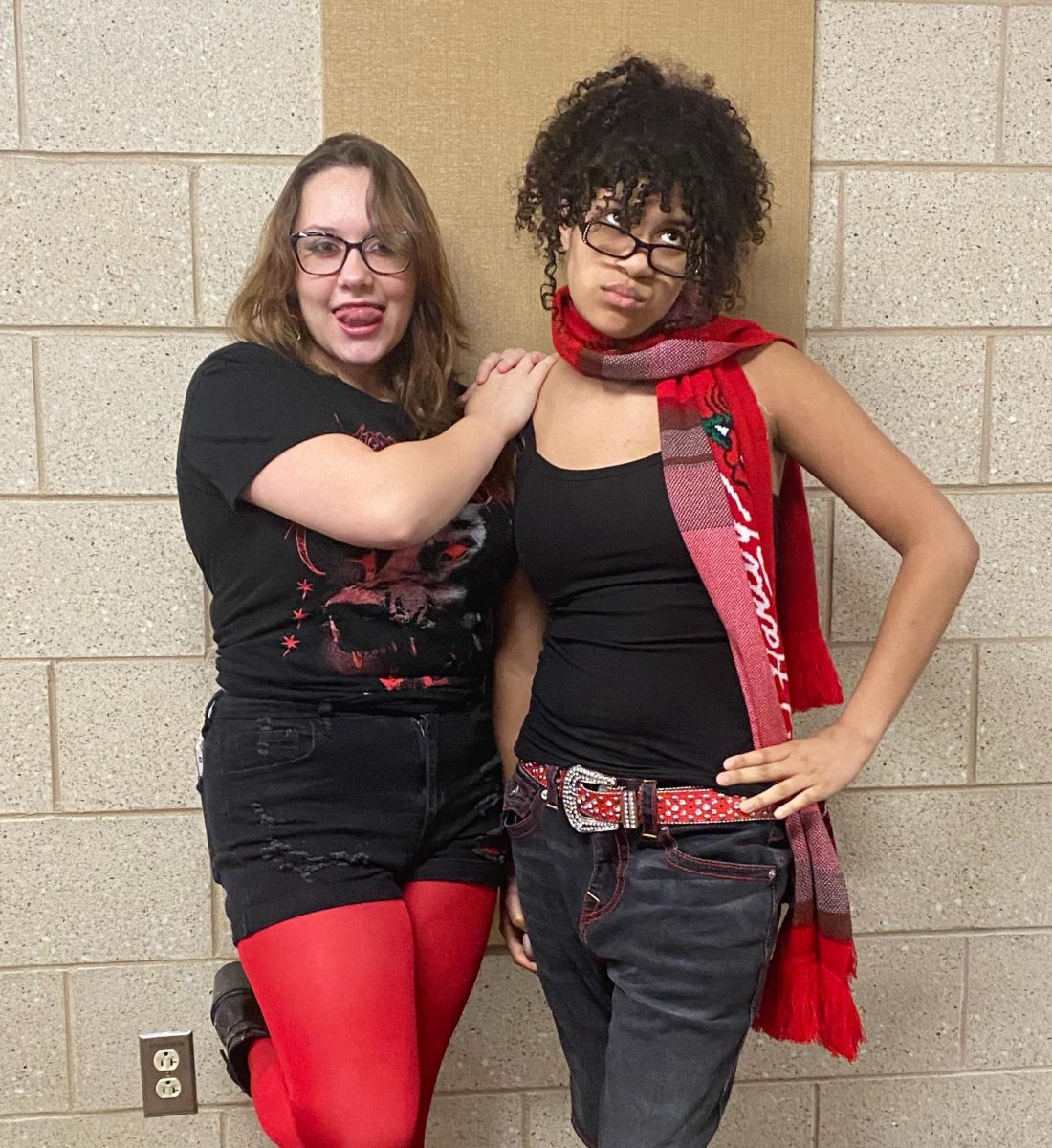
Gwenn Riffle, a sophomore at WHS, describes her style as a mix of goth, emo, and preppy, wearing mostly dark colors and makeup with lots of accessories.
Her experience as an alternative person makes her happy, with her mom being her biggest supporter and telling her to express herself in any way she can. She will sometimes get comments from rude people. Riffle says, “I can’t exactly remember the specific moment, but I think it was something on the line of that I’m not emo or goth, that I’m just a ‘wannabe.’ People are weird.” She ignores these comments out of love for her fashion, but she really appreciates all the compliments she gets, as they make her happy.
Noraia Rountree, a sophomore at WHS, describes her style as a more 2000s-esque style; low-rise jeans, bold makeup, and tiny shirts. She gets tons of compliments, her favorite being “fashionista,” and people love her style! For some it’s nostalgic, like maybe a young teacher remembering the era she grew up in. When asked about what encouraged her fashion choices, Rountree says, “I always felt insecure because I didn’t do much in Covid…and ‘TikTok 2020’ changed me a whole lot and started my alt fashion. I just started throwing things on that I saw people wear on TikTok, but dressing this way makes me feel so happy… It motivates me.” She takes inspiration from people on TikTok who dress similarly to her and her mom, who she says is, “Super supportive of me and buys me stuff and takes me shopping all the time and gives me tips.”