

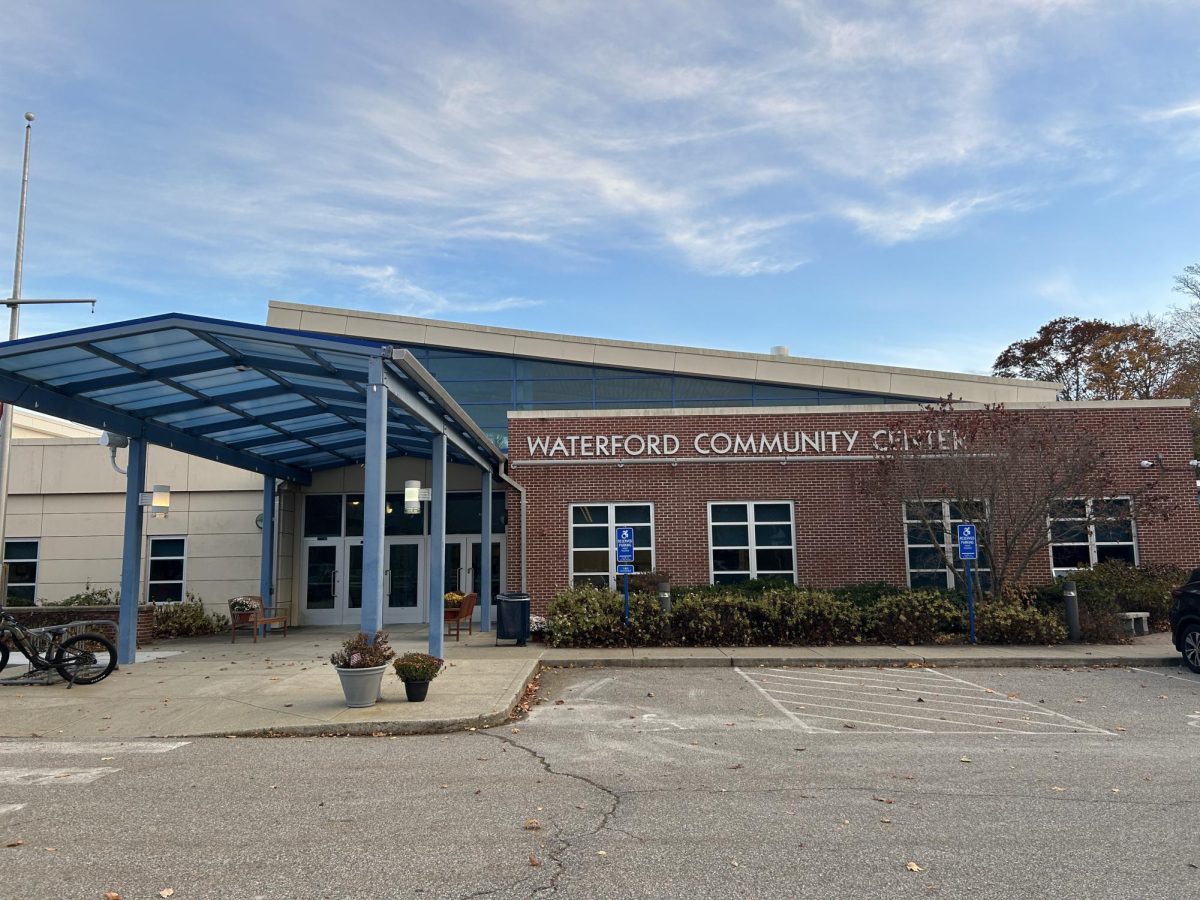
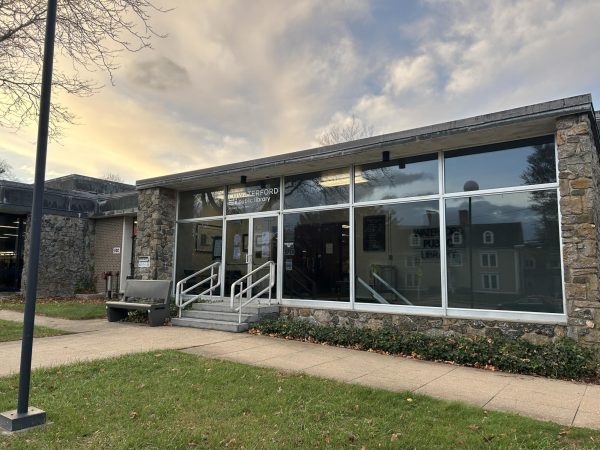
In 1989, sociologist Ray Oldenburg introduced the concept of “third spaces,” a term used to describe a place that isn’t home or work. Oldenburg said that these places are important to live a balanced life and offer connection and community. Now, almost 40 years after this idea was introduced, third spaces remain just as relevant and important, especially among teenagers and students.
In a time where most teenagers are surrounded by screens almost all day, engaging in a physical “third place” can provide some time to relax after a busy and stressful day. One analysis shows that students who engage in third spaces are less likely to drop out, score higher on tests, and have more regular homework completion. Not only this, but being involved in a third place helps people develop confidence and independence, as teenagers have a place to retreat to that’s away from their home and school.
In Waterford, spaces such as libraries, gyms, community centers, parks, and cafes are offered and easily accessible by students. Most, if not all, of these facilities are within walking distance of Waterford High School, making them convenient ways to engage and socialize in the community.
Oldenburg makes another key point about third spaces, emphasizing that affordability is one of the most important factors, along with accessibility. This is why libraries are such a strong example of a third space for people; they’re usually free or come at a low price. Kathy James, a full-time employee at Waterford Public Library, says that she sees WHS students in the library every day after school. James says, “Some do come to study, some come just to socialize.” She emphasizes the resources that make the library an important community hub, elaborating, “Well, I mean, we have computers for use, we have thousands of books, audio-books, magazines, movies, and music CDs.”
Only a short walk away from the public library is the community center, a space designed for people of all ages to spend their free time in and socialize. Despite the several facilities available, such as basketball courts, a workout room, and a dance studio, there are mixed opinions about the community center among the student body at Waterford High School. Sophomore Isabella Rush says, “The community center is good. I go there with my friends sometimes, just to play volleyball for fun.” For students like Rush, spaces like the basketball courts provide an easy hangout spot to be physically active and spend time with friends.
On the other hand, some people in Waterford have more negative views on this common third space. Sophomore Brielle Cole believes that “The community center doesn’t have anything. It doesn’t cater to teenagers.” This concept can be backed up by some of the activities hosted at the community center, which include events like bingo, chair Zumba, table tennis, and line dancing. Most of these activities aren’t the majority of high school students’ ideal way to spend their free time and are geared more towards adults and senior citizens. This can lead teenagers to feel like they’re missing important third spaces, such as an active and engaging community center.
To serve teenagers and the community, a third space must be more than just a place. It has to be a welcoming, affordable, and accessible hub to support their mental health and developmental needs. So, whether it be a gym, cafe, local library, or community center, people need these physical spaces to foster connections and live a more fulfilled life.
