

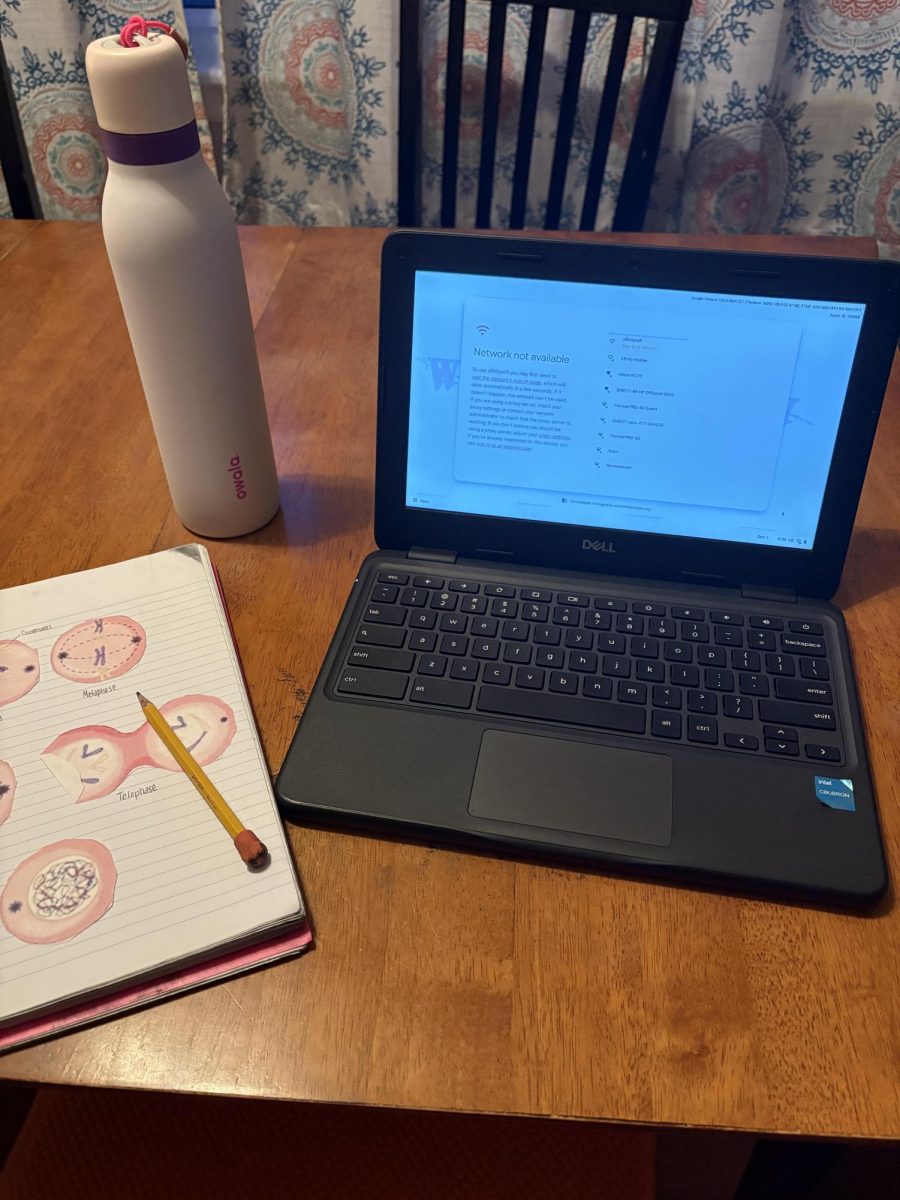
There are many ways to prepare for tests and quizzes. Some methods could be helpful, and others might not be as beneficial. There are many beneficial study habits that a lot of students may not be aware of.
A beneficial habit for students is to avoid last-minute studying. Although many people tend to procrastinate, attempting to study right before the test can cause stress, making it harder to learn the information.
Students don’t have to study alone. Studying with a friend is actually helpful. If you are struggling to understand a material, your friend can help explain it, and vice versa. Quizzing each other can also be effective. This is helpful for storing the information in your brain.
Some students prefer studying in one session, but a lot of the time, taking breaks is necessary. According to the National Institutes of Health, breaks allow our brains to compress and store new information. This gives our brain a refresher so that we can take in new information.
Asking for help is important for students struggling with the material. Not only does it help you get a better understanding of the material, but it can also boost confidence and social skills. Teachers, classmates, and tutors are all people that you can go to for help.
Many students believe that spending a lot of time studying leads to success, but this is a common misconception. Choosing the wrong methods can lead to ineffective studying.
Another common misconception about studying is that rereading notes is productive. Rereading is not enough, because it creates a false sense of familiarity. By the time the test or quiz comes around, you may have already forgotten all the information.
Instead of rereading, try active recall. Active recall means getting information from your memory without looking at the material. Some ways to do this are by making flashcards, taking practice tests, and saying or writing everything you remember from the material.
Junior Ailani Benitez-Sanchez, who uses this method, says, “My study habit is active recall. I try to memorize the dates without looking at my notes. It helps me with a lot of things.”
Others may choose not to study at all. When asked, “What is your study habit?”
Senior Zaydin Martinez replies, “I don’t have one. I haven’t studied since sixth grade. My study habit is looking at the words and thinking about other stuff. I’ll try and study, but I end up not studying at all. I say I’ll make flashcards, but the flashcards never get made.”
There are many reasons why students choose not to study. Lack of motivation is one example, but it is possible to push through. To deal with a lack of motivation, set small goals. This makes tasks seem less scary than studying large amounts of material at once.
Students may get distracted from studying, so they choose not to study at all. Phones and social media are the biggest distractions. To stop this, put your phone on silent or in another room. It is also good to study in a quiet environment.
Finding the right studying method is crucial. Not only does it help with academic success, skills that you’ve learned from studying can help you in the long term.
