

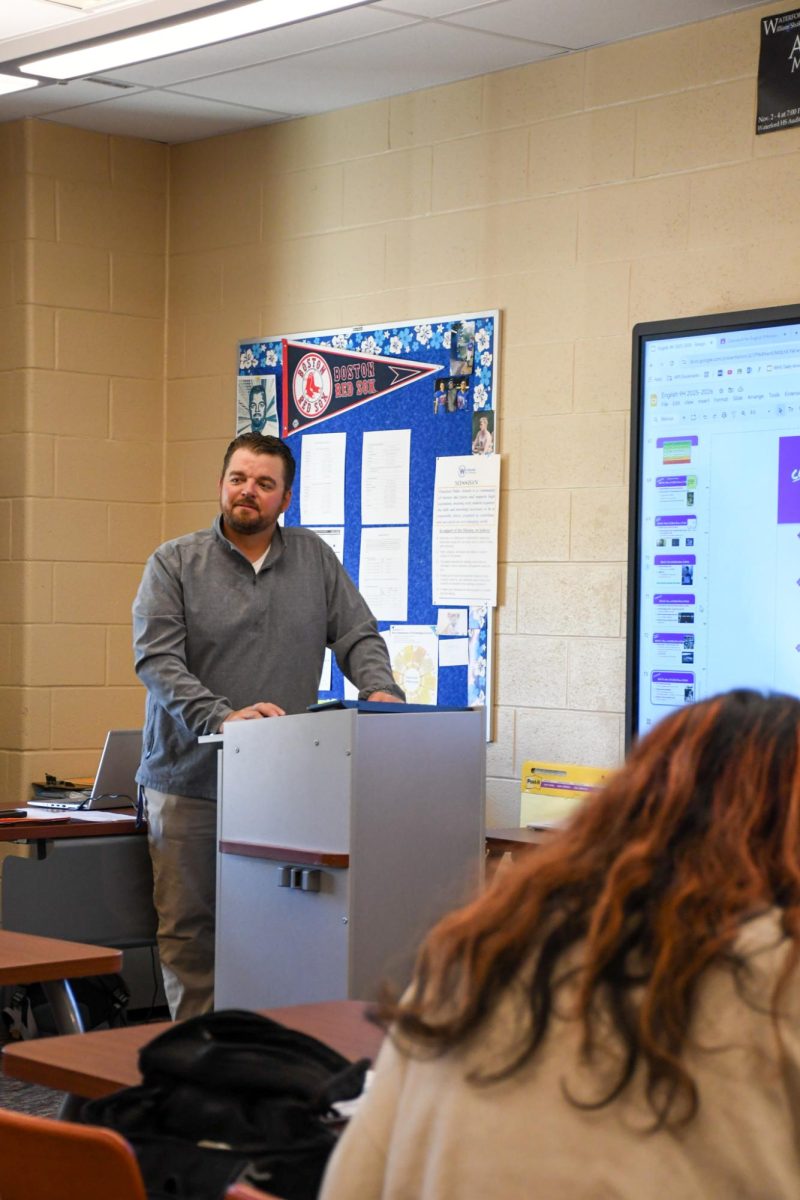
For seven years, senior English electives like Crime Literature, Sports Literature, and War Literature have offered students a chance to explore reading and writing through topics they’re passionate about, but next year, those classes will disappear from the course catalog, leaving many students upset and disappointed.
A small factor to this switch is the decrease in teachers. When they originally started the semester classes, they had more students and 13 English teachers. They now only have 8.
The main reason for the change was how many classes they had. Since they could only offer one section per semester, students who were really into a topic and wanted to learn more just couldn’t get into the class.
According to Ms. Tessier, the head of the English department, the new classes will be called “The Senior Experience: Fiction,” “The Senior Experience: Non-Fiction,” and “Everyday Reading and Writing.”
Mrs. Peluso, War Literature teacher, says, “I think it gives us a little bit more freedom being split into fiction and non-fiction because you can do a lot under those umbrellas. We can still teach some war topics within these new classes, plus it gives more room to expand so you’re not so limited to the topic of war; you have more variety.”
Mr. Silvestri, Sports Literature and Literature of the Seas teacher, believes the quality of the new courses will be more organized and taught more effectively.
Mr. Silvestri says, “One semester, last year, I was teaching four different classes at the same time, and while you’re doing all that, you’re not doing a great job at teaching any of them because you’ve got so much to teach at once.”
The new “Everyday Reading and Writing” course, taught by Ms. Tessier, will be a class with fewer lengthy reading assignments and short writing assessments. It’s a great class for those students who don’t love reading and writing but still need those basic skills leaving high school.
The Fiction and Non-Fiction courses, taught by Mr. Silvestri, will be semester-long courses that use some of the same texts and cover similar topics from the war/crime/sports classes. Kids will still be using reading and writing skills, but more centered on fiction/non-fiction texts.
Ms. Tessier says, “I think some people are a little disappointed because they might’ve really enjoyed a specific topic and maybe they were looking forward to learning more about this, but I don’t think they’re missing as much as they think they will be.”
Junior Lexi Pelt says, “I would’ve taken Sports Literature or Crime Literature because I feel like it’s a fun option for people who are interested in topics other than regular English.”
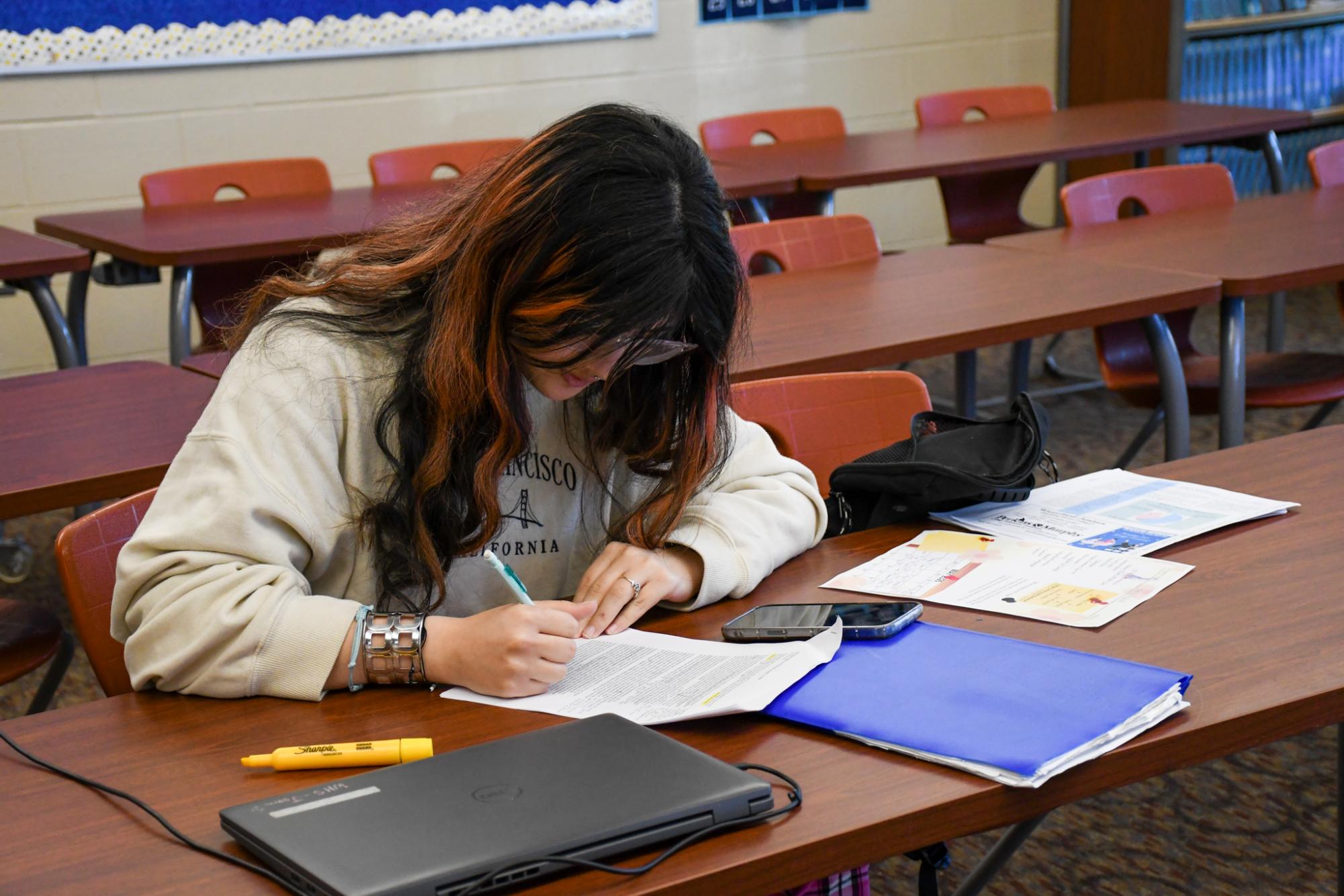
There’s multiple exciting things our English teachers are looking forward to with the change of courses.
Mr. Silvestri is looking forward to teaching and reading some texts he didn’t get the chance to teach during his regular elective classes: “We have so many books in our closet that we never get to teach. There’s some really great fiction and nonfiction books that we’ll be able to bring back. Add some more modern contemporary text or movies.”
While making this change, teachers want to build more independence for seniors and provide the skills that are essential for life after high school.
Ms. Tessier says, “We’re still going to be doing college essay prep in the fall and we’re going to be doing a mini reflective piece in the spring so seniors can reflect on their time at the high school in a creative way.”
Even though this is a big step forward for the English department, both students and teachers will definitely miss some of the old topics.
Mr. Silvestri says, “I’ll miss the research projects where the kids pick a topic and write a paper or do a presentation, and most students pick really interesting topics. You’re not reading the same paper or listening to the same presentation 25 times. I can learn a lot from some of the papers and presentations.”
Junior Peyton Cure isn’t too excited about this change: “I get why they got rid of them, but I also think it was kind of stupid. I know there’s a lot of people who would be interested in taking a class only for that specific topic.”
Mrs. Peluso says, “I think I’ll miss teaching that specific topic. I really like the books and documentaries and some of the topics we talk about are really engaging. I have to remind myself to stick to the literature and not turn it into a history class. World War 2 is a high level interest for me.”
The plan for these upcoming classes is to combine their most popular fiction and non-fiction books across all topics and create smaller sections inside the courses. By doing this, students are still able to learn about topics they’re passionate about, teachers can still teach topics they enjoy, and books that haven’t been taught can finally come to light.
