
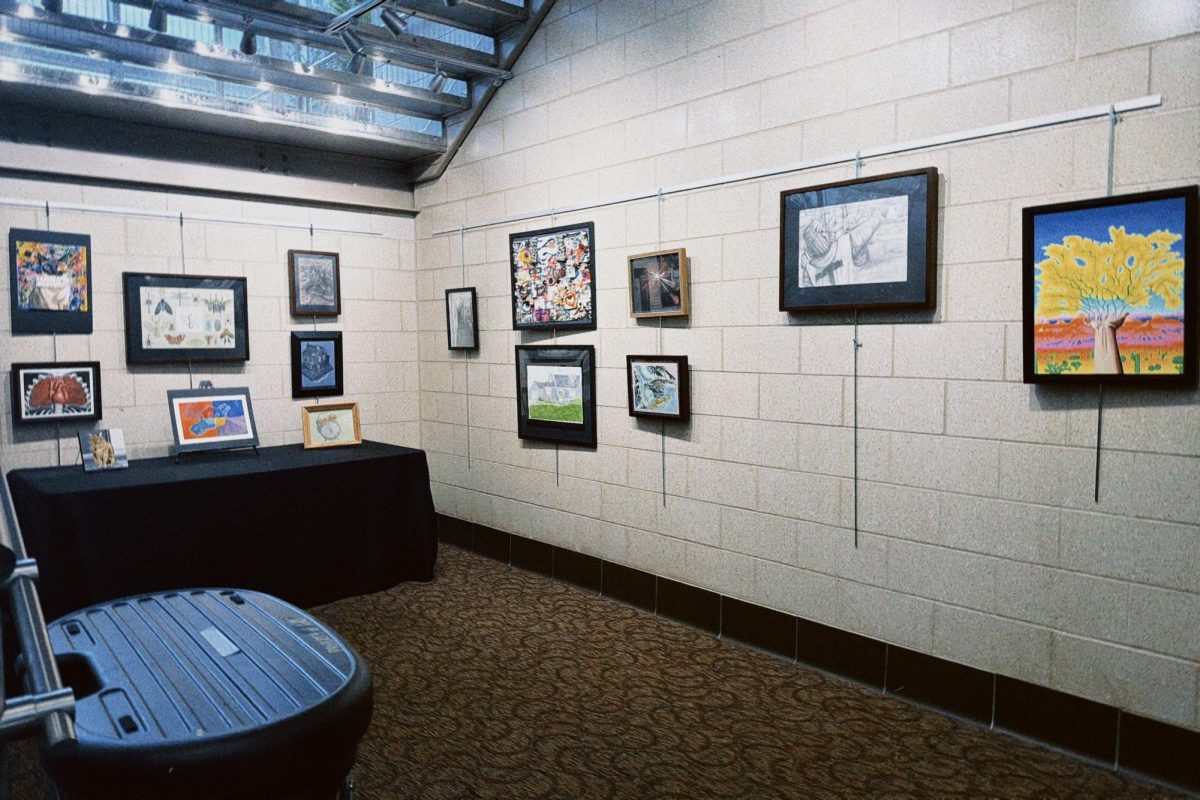
The AP Art classes at Waterford High School are rigorous, college-level courses designed for students who are serious about honing their technical skills and developing a personal artistic voice. Unlike a traditional AP class, the “exam” is a comprehensive portfolio consisting of 5 unique pieces submitted to the College Board in early May. Unfortunately, the class had too few students.
This year, the AP Drawing class started with 15 students. Almost every student dropped out, leaving only 5 students in the class. Many students were intimidated by this class, but WHS is packed with talented individuals. Many artists attend this school, and although they may think they might not qualify for such a class, it is good for college if the student plans to pursue art.
One of the art department’s teachers, Gretchen Lally, who teaches these classes says, “I really feel like people should join the class if they have a passion in art and if they want to further themselves as artists. It is also good for college credits if you pass the AP portfolio.”
AP Drawing is more than just a class; it is where students start being a professional artist. Unlike other art classes, AP gives you the freedom to be the boss of your own studio. Students choose a central theme—like family history or social issues—and create a “Sustained Investigation” to explore it. This independent approach helps students build the high-quality portfolio needed to apply to top art schools and it shows that the student has a unique creative voice.
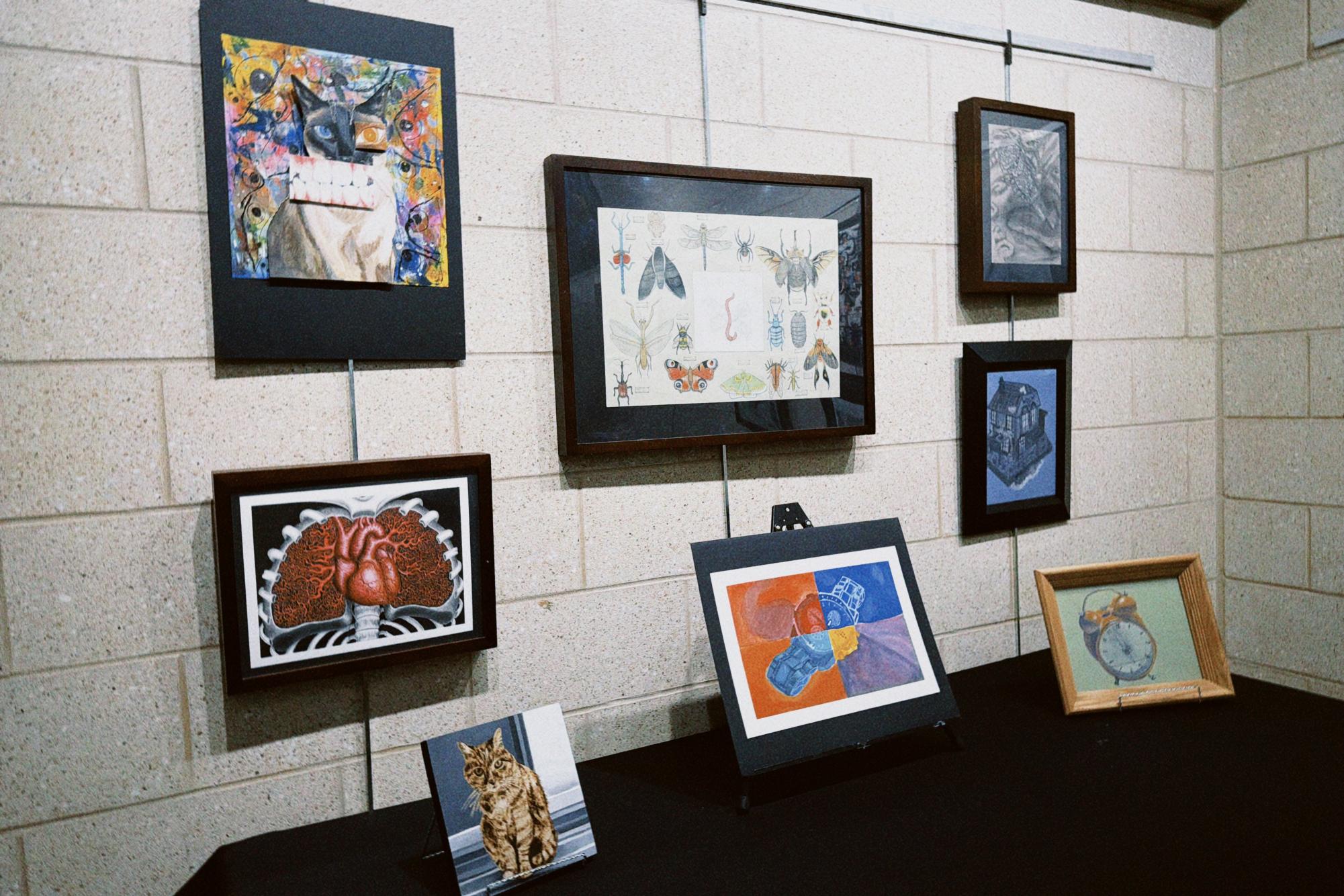
Students will move past basic techniques and start experimenting with “surface manipulation” and complex mark-making. Students learn things like how to use mixed-media materials, non-traditional tools, or complex compositions to challenge the viewer’s eye.
Mrs. Lally explains, “We go in more depth than the previous drawing classes because we talk more about the conceptualization of our art and exploring our ideas through the art making process.” Taking this class helps students develop “The Artist’s Mindset,” which is a “superpower” for solving problems.
Instead of learning how to make a pretty picture, students learn how to handle things if they go wrong. If a drawing is not looking right, students do not give up; Students learn how to pivot—which means changing the plan and finding a new way to fix it. This builds mental toughness.
Students will learn how to manage their time, as finishing five big projects in one year requires a lot of time and focus. By the end of the course, students have the discipline to take a big, messy idea in their head and actually turn it into a finished, professional piece of work.
The College Board is strict about making sure the art turned in is 100% your own. Students are not allowed to use AI to create any part of their work, even if it is a small feature in an app like Photoshop. Mrs. Lally says, “In AP, we can use that [Pinterest and social media] only as an inspiration. We want to explore our own mindset and thought process while creating our artwork.” When students use a reference photo or another artist’s work to help you create your own, the College Board requires students to be transparent about it.
In students’ digital portfolio, there is a specific section where students must credit their sources. If students used a photo they found on the internet, a picture a friend took, or even a professional artwork as a starting point, students have to write down where it came from. Students also need to explain how they changed it to make it their own original “vision.”
Next year, classes like AP 3-D Art and Design—which involves 3-D skills in materials and processes such as sculpture, architectural rendering and models, metal work, ceramics, and glass work—and AP 2-D Art and Design—which involves your 2-D skills through materials and processes such as graphic design, photography, collage, printmaking, and fashion illustration.
This is not a place to earn a grade; it is a warm, supportive community where students’ unique perspective is celebrated and their artistic voice is truly heard. Students do not need to be a “perfect” artist to start—they only need the curiosity to explore and the desire to grow. Joining this class is a beautiful way to invest in themselves, discover what they are capable of, and connect with fellow creators who are just as passionate as they are. The art department would love to see the world through your eyes!